Pregnancy asks a lot of your body. You deserve support along the way
Individual osteopathic care for pregnancy-related discomfort, changing movement needs, practical education and preparation for birth along with postpartum support.
Book an Appointment Today
Is pregnancy discomfort making everyday life harder?

Getting comfortable in bed has become difficult, and disrupted sleep is leaving you feeling drained.
Walking, climbing stairs or turning over in bed now takes more thought than it used to.
Sitting at work, driving or standing for extended periods has become increasingly uncomfortable
Exercise, household tasks or caring for your other children feels harder as your pregnancy progresses.
If this feels familiar, you’re not alone. An individual assessment can explore your symptoms, movement and changing needs throughout pregnancy.
You’re unsure which aches and pains are expected during pregnancy and when it may be worth seeking support.
Pregnancy-related discomfort can present in different ways
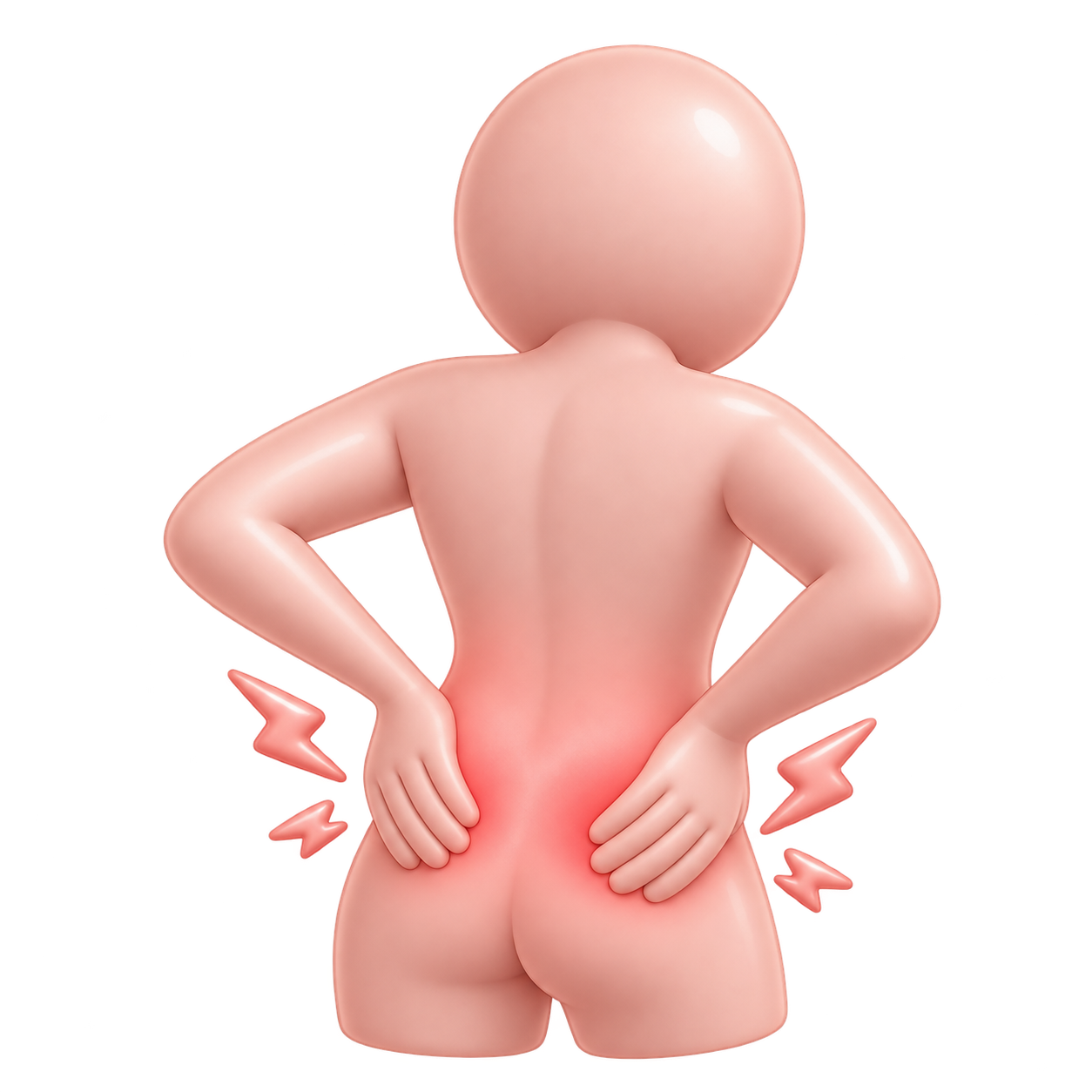
As your body changes throughout pregnancy, discomfort may develop gradually, fluctuate between days or become more noticeable with certain activities. These are some of the symptoms people commonly seek support for.
Pelvic girdle and sacroiliac pain
Pain around the back or sides of the pelvis, hips or buttocks that may be aggravated by walking, stairs, rolling in bed or getting in and out of the car.
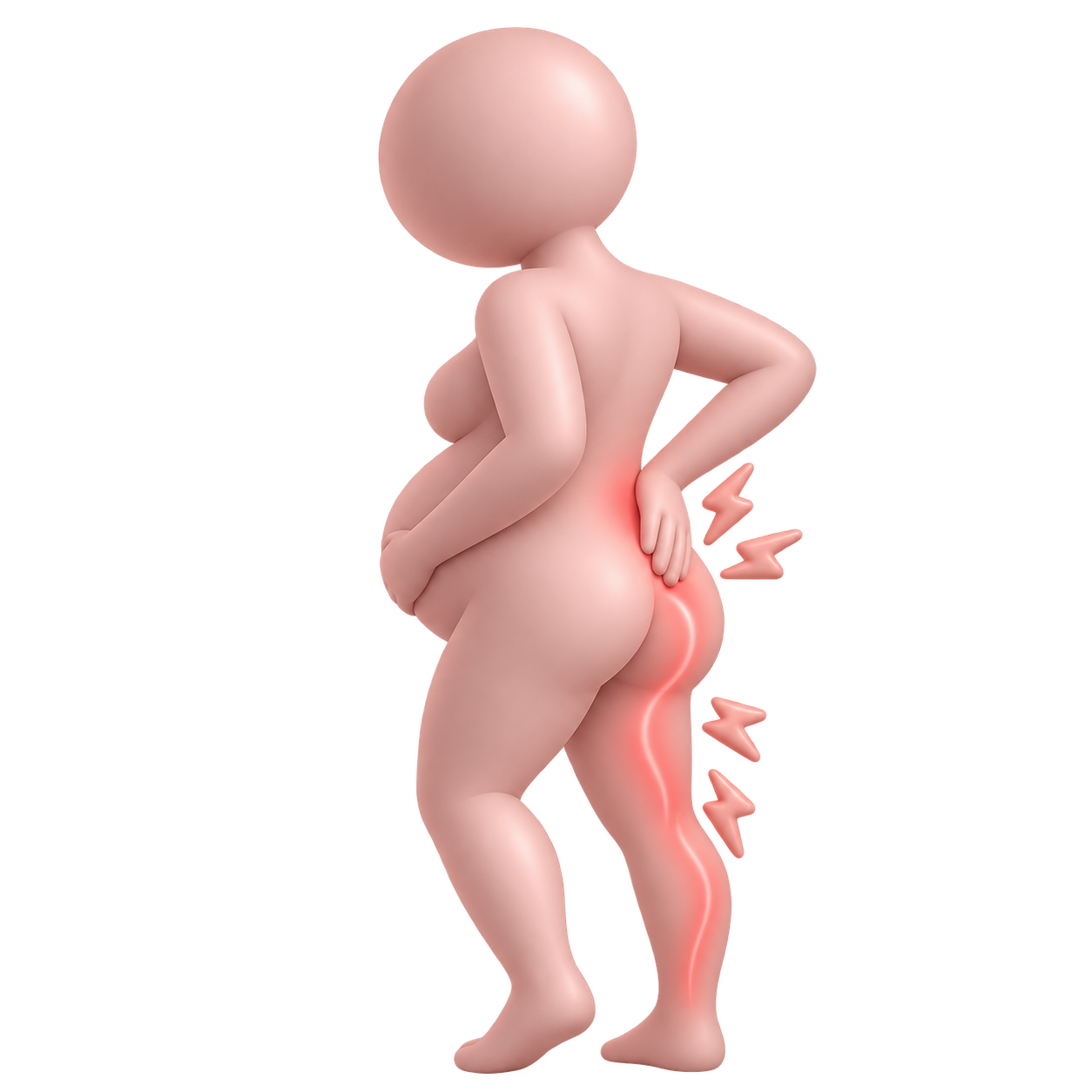
Lower back and sciatic symptoms
Lower-back or buttock discomfort that may remain local or extend into the leg, making sitting, standing, lifting or finding a comfortable position more difficult.
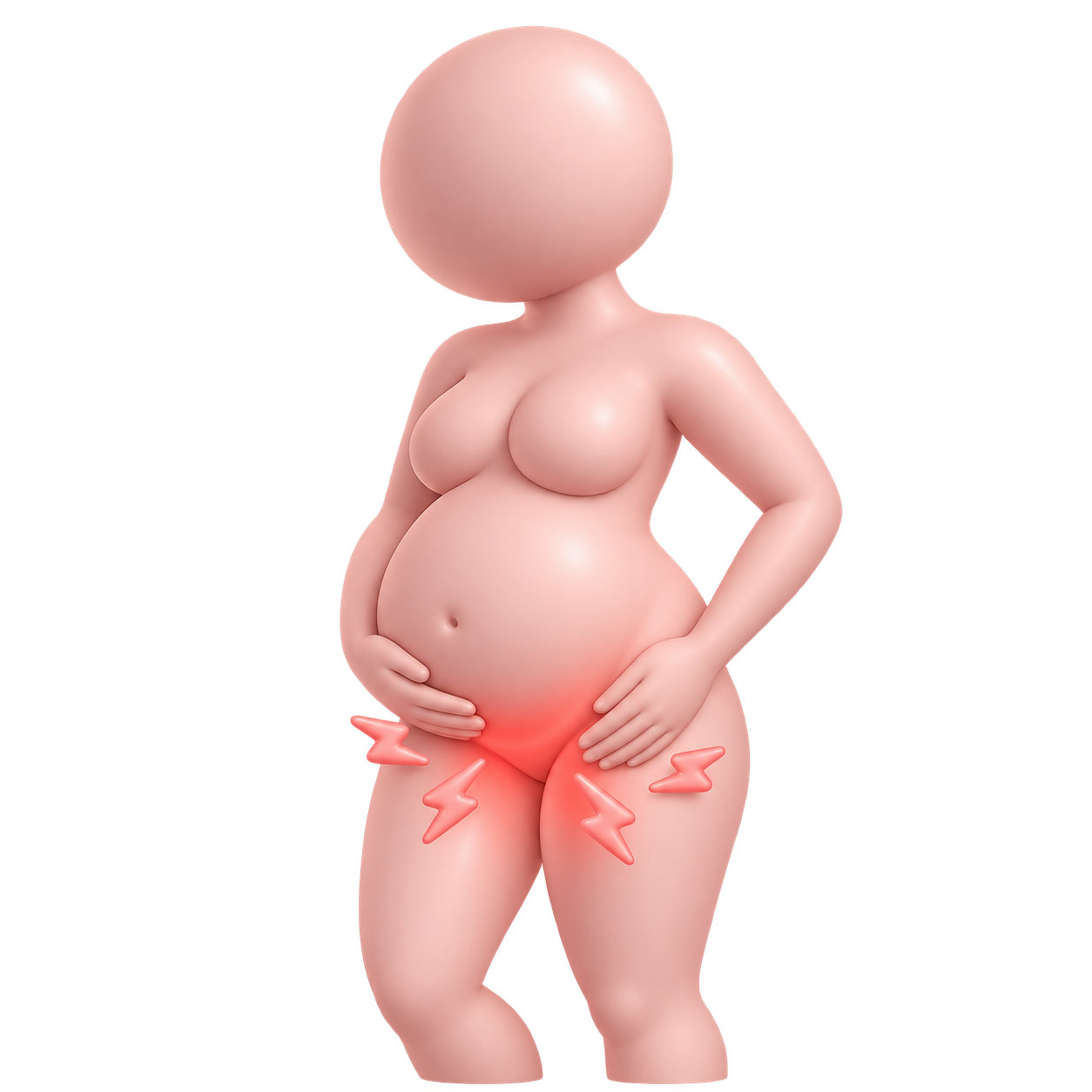
Pubic symphysis and groin pain
Pain at the front of the pelvis or through the groin, particularly when standing on one leg, getting dressed, taking wider steps or separating the legs.
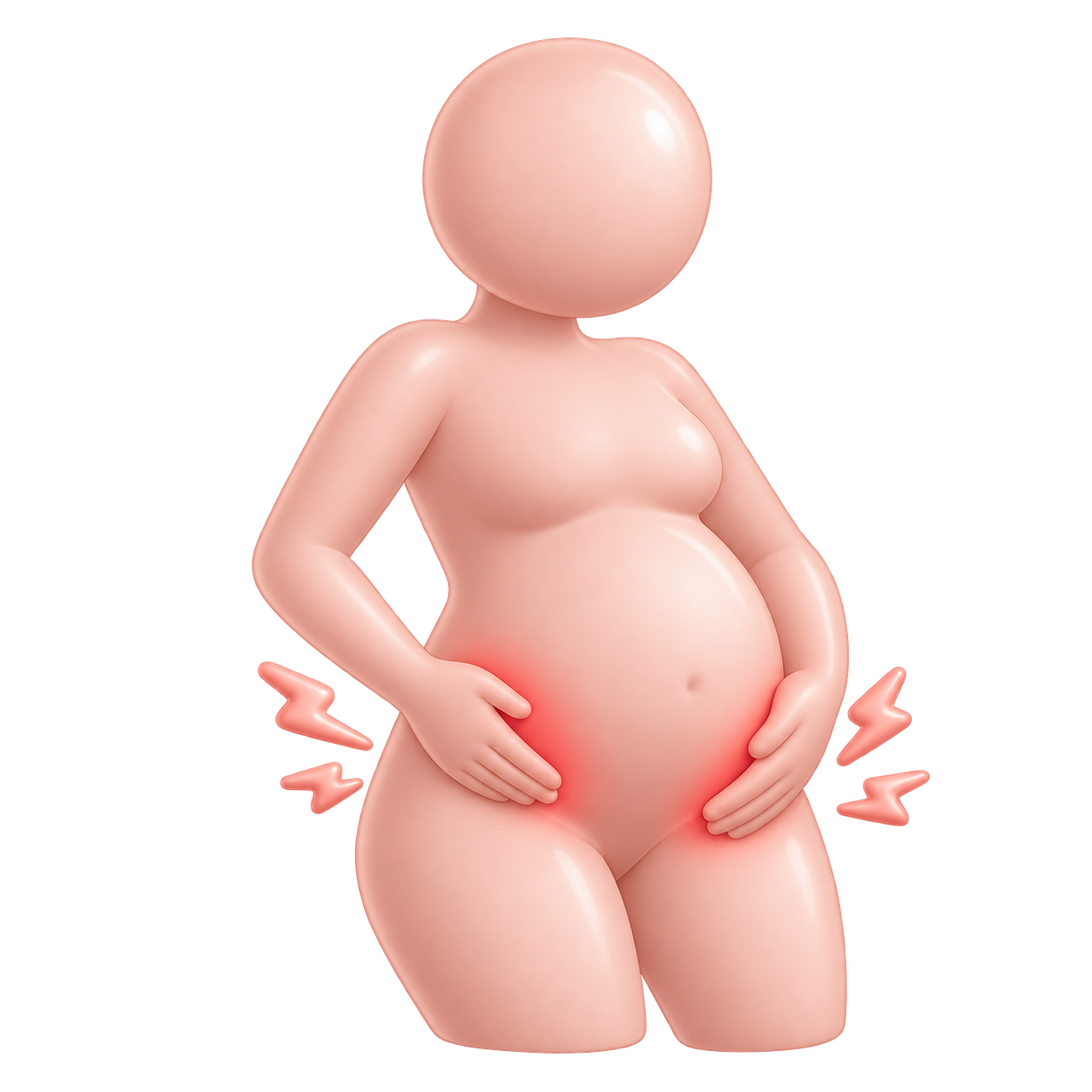
Round ligament pain
Sharp, pulling or stretching sensations through the lower abdomen or groin, often noticed with sudden movements, rolling over, standing up, coughing or sneezing.

Rib and upper-back discomfort
Aching, pressure or restriction around the ribs and middle back that may become more noticeable with sitting, sleeping, reaching or taking a deeper breath.
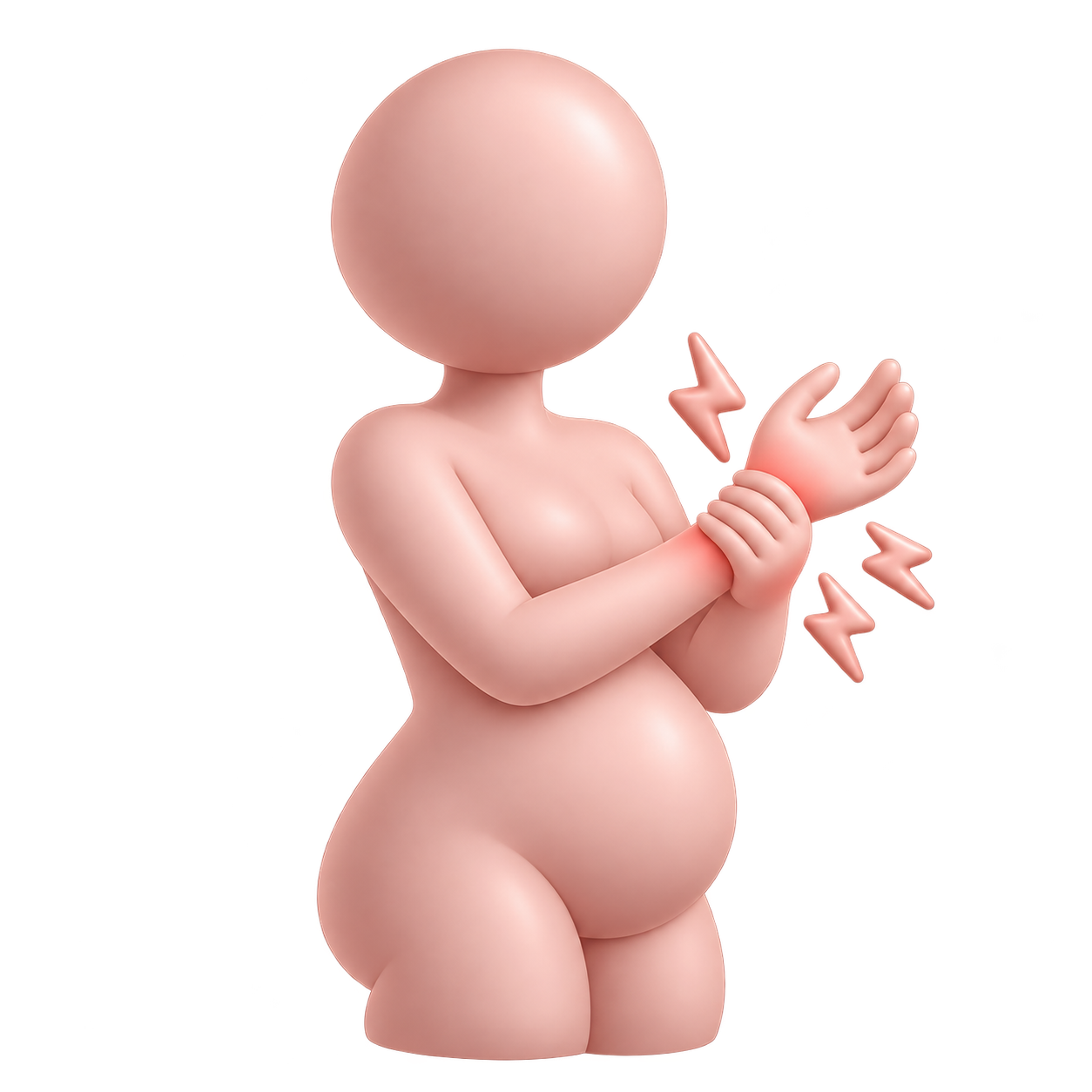
Wrist and hand symptoms
Aching, numbness or tingling through the wrists and hands, which may be more noticeable overnight or during gripping and everyday hand use.
Not sure where your symptoms fit?
Every person’s experience is different. We start with an individual assessment focused on your history, symptoms and goals
Support that extends beyond pregnancy discomfort
As your body changes throughout pregnancy, discomfort may develop gradually, fluctuate between days or become more noticeable with certain activities. These are some of the symptoms people commonly seek support for.
Understanding your changing body
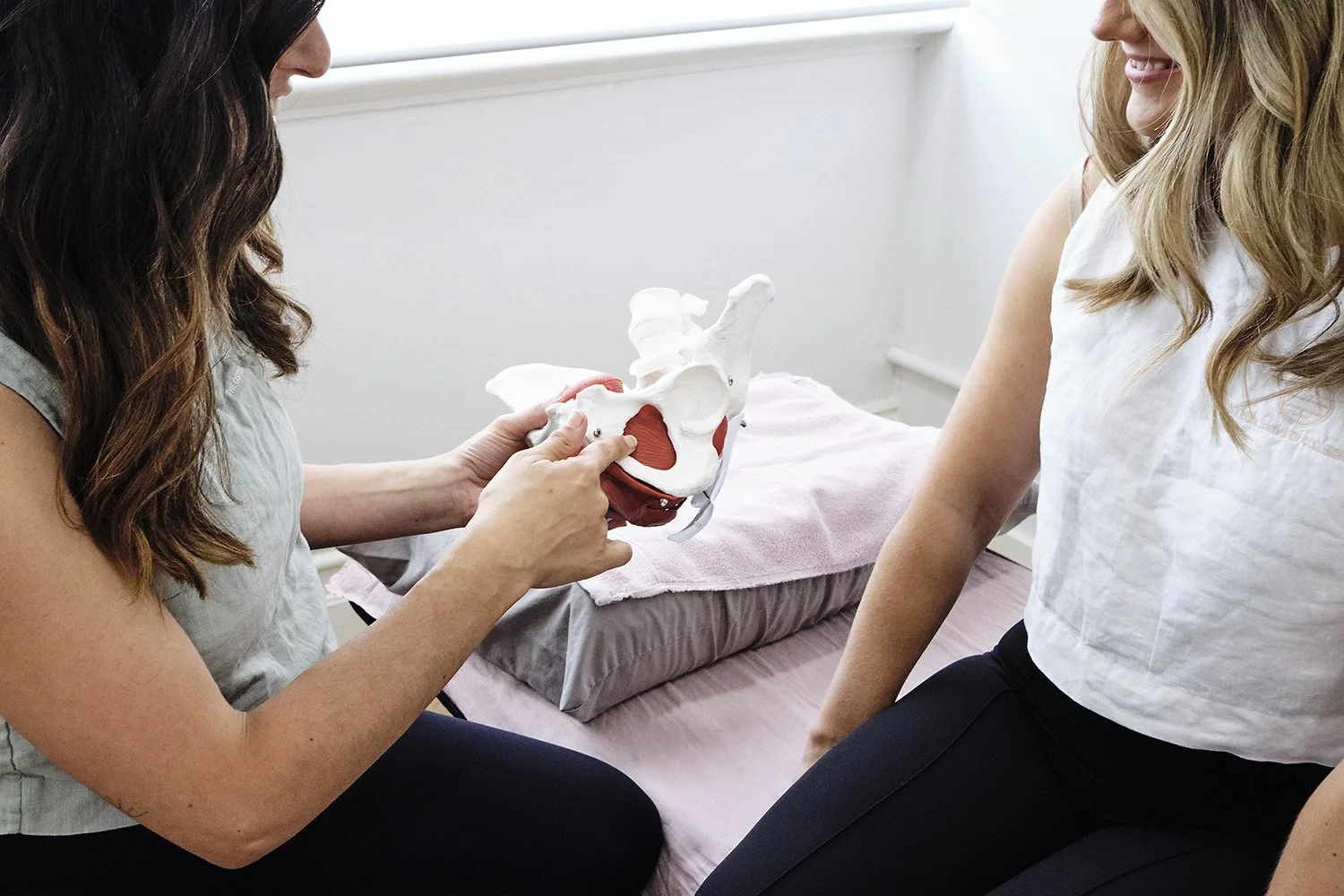
Learn about the physical changes occurring throughout pregnancy and how they may influence your movement, comfort and everyday activities.
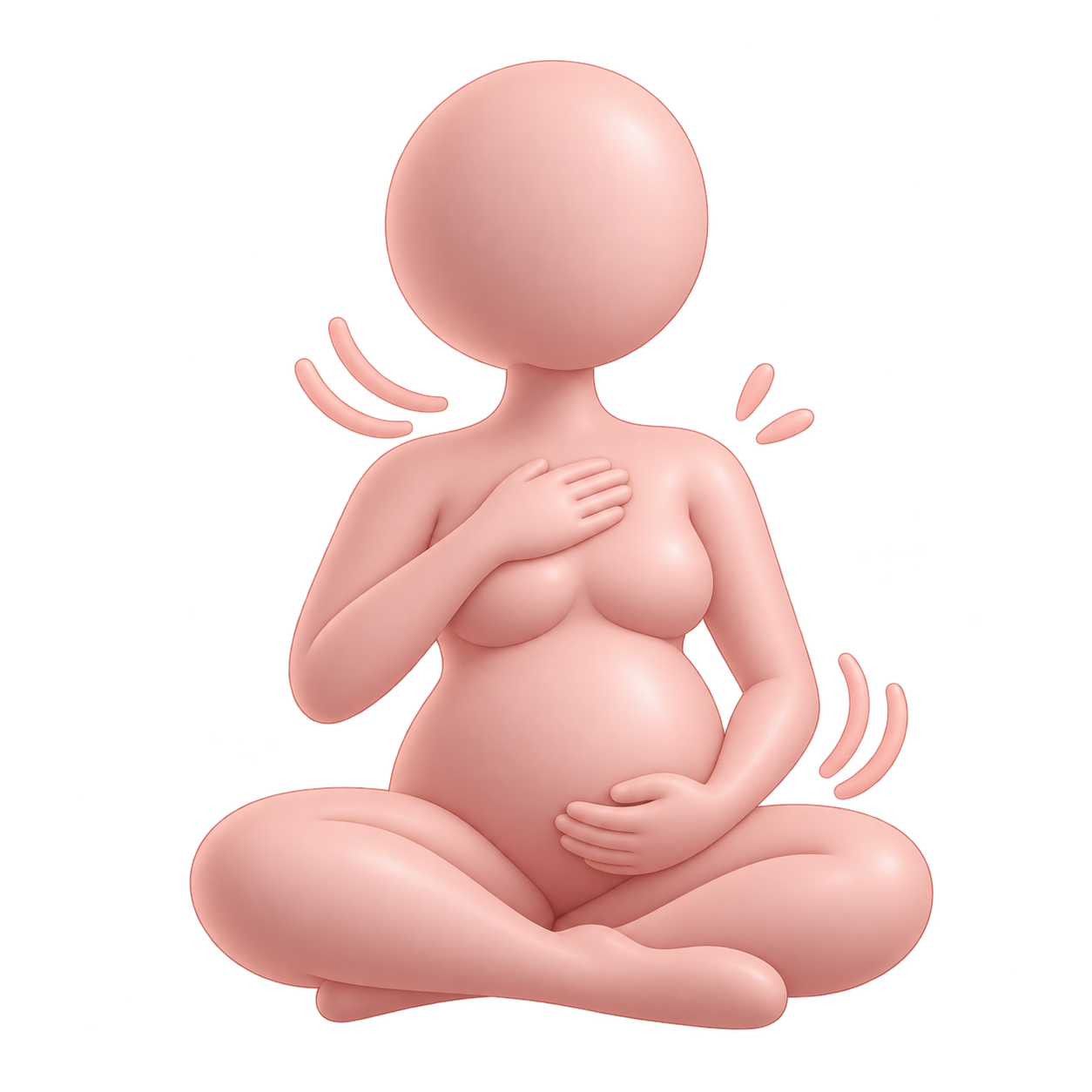
Breathing and relaxation strategies
Learn simple breathing, relaxation and movement strategies that you can practise during pregnancy and draw upon during labour.
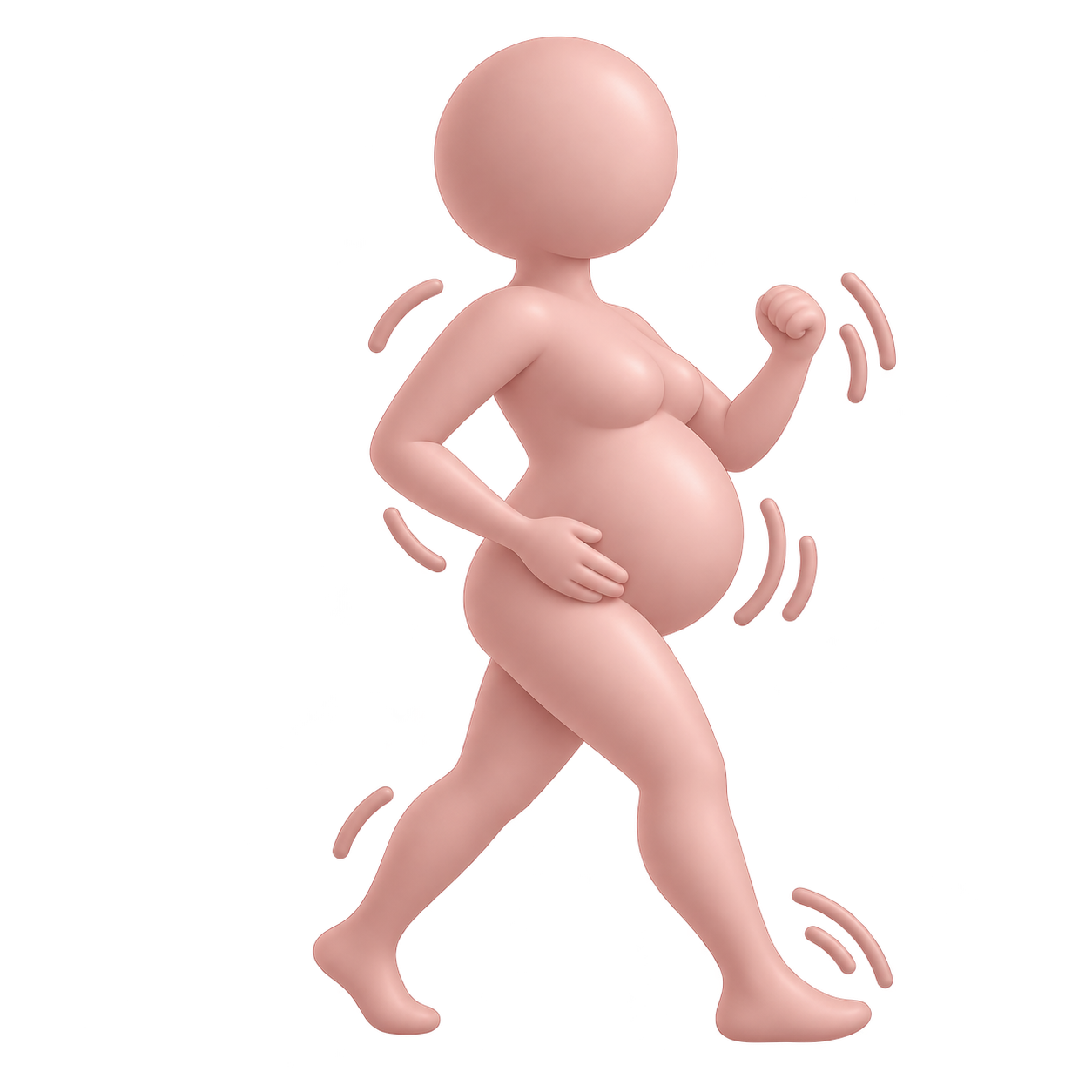
Movement throughout pregnancy
Explore practical ways to keep moving, modify exercise and approach activities such as lifting, sleeping, working and caring for other children.
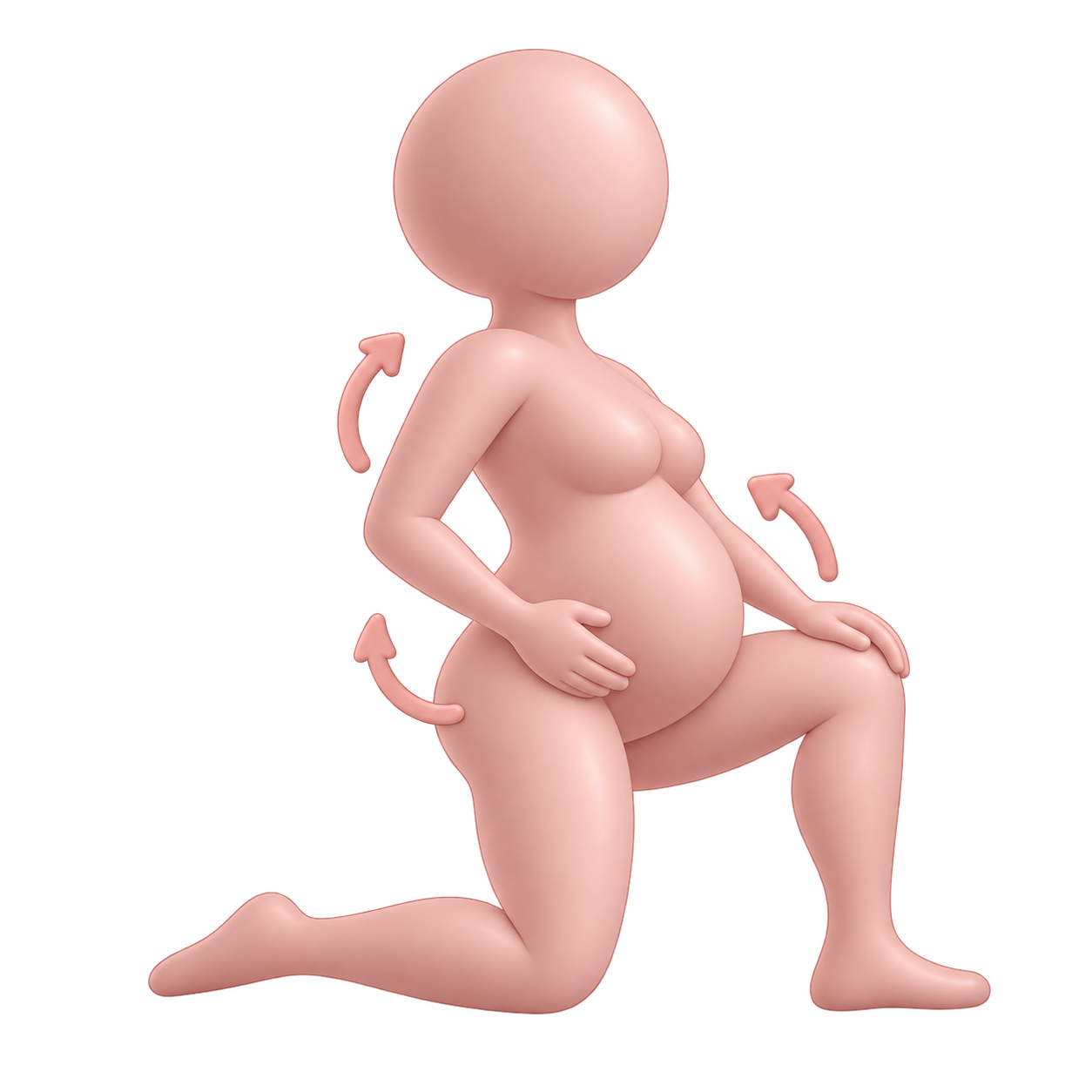
Exploring positions for labour
Practise a range of upright, supported and resting positions that may help you feel more comfortable and confident when preparing for labour.

Partner-supported comfort strategies
Where appropriate, your partner can learn practical positioning, movement and hands-on comfort strategies they may be able to assist with during labour.
Preparing for early parenthood
Discuss feeding and holding positions, feeding, lifting and other physical demands that may become relevant after your baby arrives.
What We Do

We Listen First
We take the time to understand your story. We don’t just ask where it hurts. We explore your symptoms, work, hobbies, stress, sleep and medical history to understand the bigger picture.
Tailored Treatment
Your treatment is tailored to you and includes hands-on treatment, movement advice and practical strategies based on your individual needs.

Thorough Assessment
We assess how your neck, shoulders, upper back and the rest of your are moving to identify what's contributing to your symptoms.

Clear Explanation
You'll leave knowing what we found, why it's happening and what we're aiming to achieve together.

Personalised Plan
A clear plan going forward. Rather than wonderings what happens next, you'll leave with a personalised plan and the tools to take the next steps forward.

Helping you Stay Better
Our goal isn't simply today's appointment - we want to help you move more comfortably and return to your activities you enjoy whilst reducing the likelihood of ongoing flare ups.


FAQs
-
Osteopathic care can be modified according to your stage of pregnancy, comfort and individual health circumstances. Before treatment, your osteopath will discuss your pregnancy, medical history and any advice or restrictions provided by your maternity team.
Positioning and techniques are adapted throughout the appointment. If your symptoms require medical or maternity assessment, we will recommend that you speak with your midwife, obstetrician or GP.
-
People may seek osteopathic care at different stages of pregnancy. Some attend for a particular musculoskeletal concern, while others are looking for movement guidance, practical education or support as they prepare for birth.
There is no single stage that is right for everyone. Your osteopath will consider your stage of pregnancy, symptoms and individual circumstances before discussing whether care is appropriate.
-
An osteopath can assess musculoskeletal discomfort affecting areas such as the lower back, pelvis, pubic region, hips, buttocks and ribs. Your appointment may include modified hands-on treatment, movement advice, exercises and practical strategies for everyday activities.
Lower abdominal or groin pain is sometimes described as round ligament pain, but it should not automatically be assumed to have a musculoskeletal cause. New, severe, persistent or concerning pain should be discussed with your maternity healthcare provider.
-
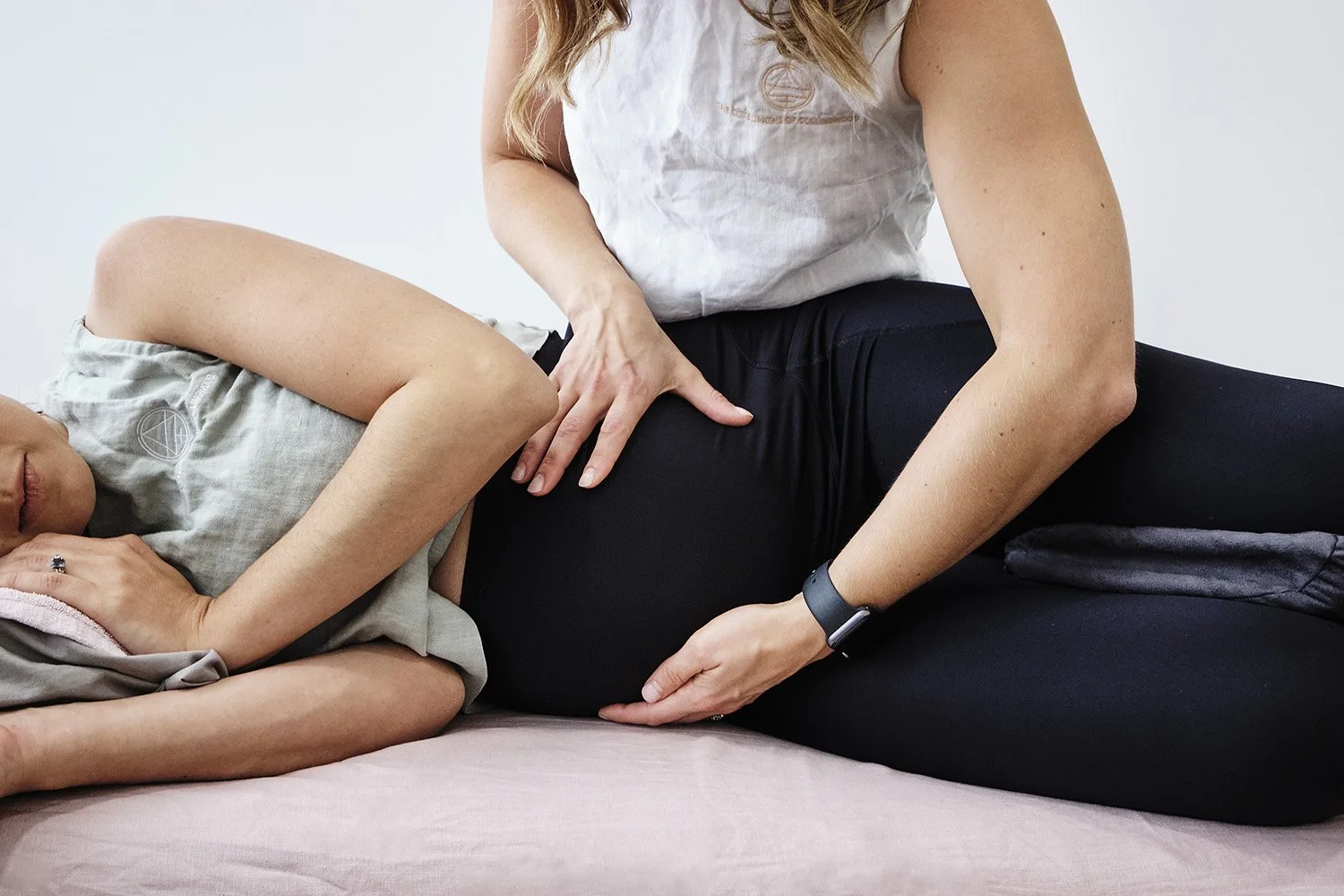
You will not be expected to remain in a position that feels uncomfortable. Depending on your stage of pregnancy and the area being assessed, treatment may be performed while you are side-lying, seated or comfortably supported in a semi-reclined position.
Pillows and supports can be used, and your position can be changed at any time.
-
Your appointments may include education about movement, comfortable labour positions, breathing and relaxation strategies, partner-supported comfort techniques and preparation for the physical demands of early parenthood.
Birth preparation is intended to help you feel informed and practically prepared. It does not guarantee a particular labour or birth outcome and complements, rather than replaces, the guidance provided by your maternity team.
-
Your osteopath will begin by discussing your pregnancy, symptoms, general health, daily activities and goals. Where appropriate, they will then assess your movement and relevant areas of your body.
They will explain what the assessment suggests and discuss suitable care options with you. Treatment can usually be included at the first appointment when it is considered appropriate and you are comfortable proceeding.
-
This is a really individual question. That main thing that drives this depends on what is contributing to your complaint. Each treatment plan is tailored to you. No cookie cutter approach signing you up to 20 sessions over 10 weeks etc.
-
All of our sessions involved tailored, hands-on treatment. We’re also trained in ergonomic advice and exercise prescription.
-
We sure do. Always best to check with your provider to make sure Osteo is covered but we’re registered with all funds and have onsite processing of rebates.
-
Just some comfy clothes, if you have any current scans and also an openness to learn all things about your body!
About Us
Hey, I’m Natalie

We founded The Osteopaths of Collingwood because we believed healthcare could feel different.
Too often, healthcare feels rushed, clinical and impersonal. We wanted to create a space where people felt genuinely welcomed, listened to and understood from the moment they walk through the door.
That's why we've built a warm, friendly space where taking the time to understand your story is just as important as the treatment itself. We believe the best outcomes come from understanding the whole person, not just the painful areas.
Ever since patients have been choosing us to help them with their journey because:
Hands-on care and ongoing support
A warm, welcoming environment
A thorough history and examination
5 Peel St, Collingwood, VIC, 3066
(03) 7013 5536