
The Lymphatic System – Why Is It So Important?
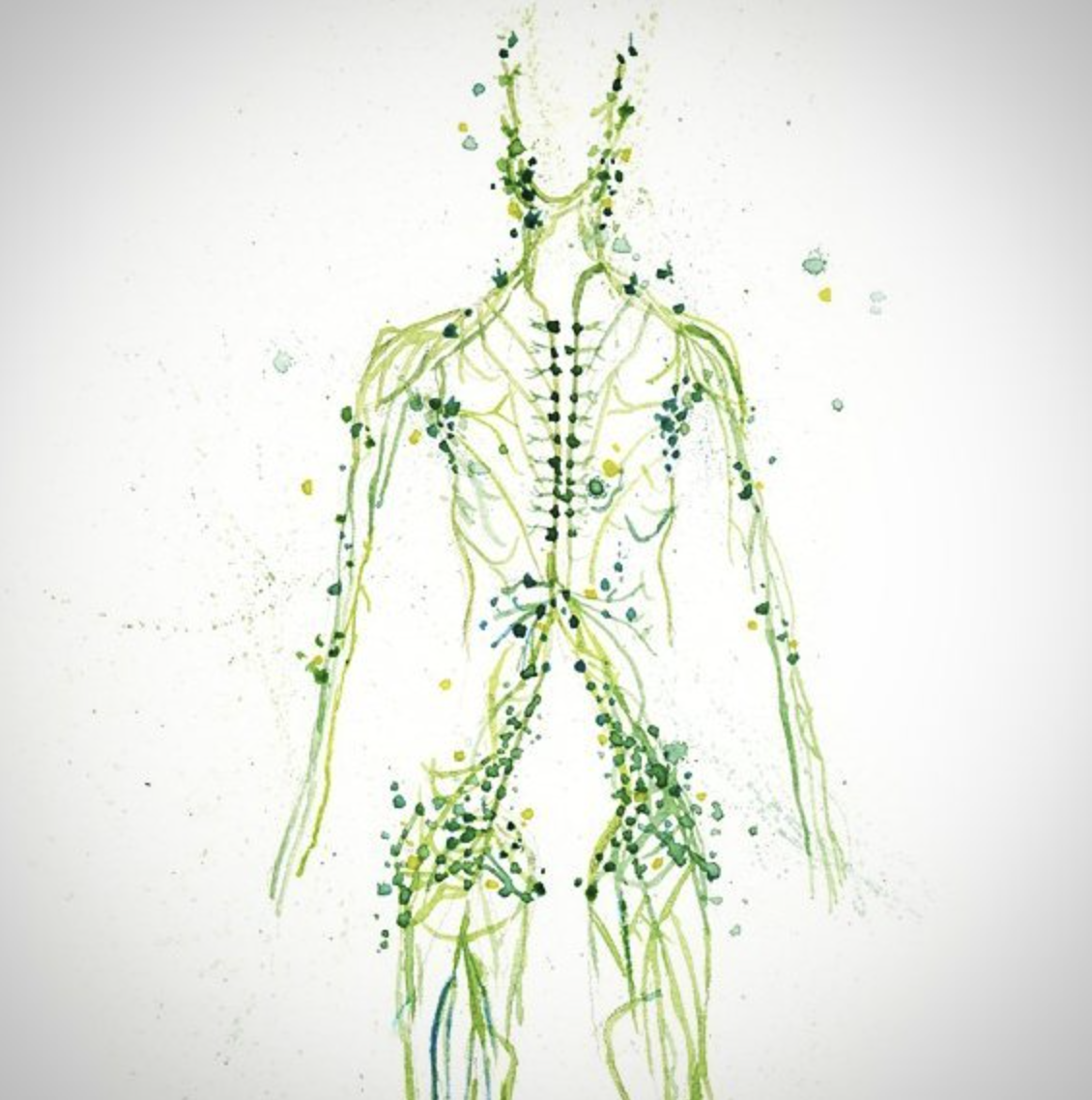
Ever felt puffy, swollen, congested or like you're coming down with a cold? While these symptoms can have many causes, your lymphatic system may be playing a role.
The lymphatic system is a network of vessels, lymph nodes and organs that carries lymph—a clear fluid containing excess water, proteins, waste products and immune cells—from your tissues back into your bloodstream. Along the way, lymph passes through lymph nodes, which act as filters to help remove bacteria, viruses and other unwanted material.
This system has three important jobs: maintaining fluid balance to prevent swelling, supporting your immune system by filtering harmful organisms, and absorbing fats and fat-soluble vitamins from the small intestine.
How does the lymphatic system work?
Unlike your cardiovascular system, the lymphatic system doesn't have a heart to pump fluid around the body. Instead, lymph relies on movement to keep flowing.
Every time you take a deep breath, walk, stretch or contract your muscles, your body creates gentle pressure changes that help push lymph through the vessels. Healthy movement of the ribs, diaphragm, joints and surrounding tissues all contribute to this natural pumping mechanism.
If these areas become stiff or restricted, the pumping effect can become less efficient. In osteopathy, we refer to these movement restrictions as somatic dysfunctions. Reduced movement may contribute to local tissue congestion, swelling or slower lymphatic flow.
Think of it like this...
Imagine your lymphatic system as the stormwater drains around your home. When everything is flowing well, rainwater drains away efficiently. But if the pipes become partially blocked or there isn't enough flow, water starts to pool.
Similarly, when your body isn't moving well—whether from muscle tightness, joint restriction, shallow breathing or prolonged inactivity—lymph can move less efficiently, contributing to feelings of congestion or swelling.
Why might an osteopath treat the lymphatic system?
Rather than directly "moving" lymph, osteopathic treatment aims to improve the body's natural ability to circulate it.
By improving movement of the ribs, spine, diaphragm, muscles and connective tissues, we can help optimise the mechanical forces that assist lymphatic flow. This may be beneficial for people experiencing:
Swelling or fluid retention
Sinus or chest congestion
Recovery from injury where swelling is present
Inflammation
Pregnancy-related swelling (where appropriate)
General restrictions affecting breathing and movement
How can you support your lymphatic system at home?
While treatment can help, there are plenty of simple ways to support healthy lymphatic flow every day.
Keep moving. Walking, gentle exercise and regular stretching encourage lymph to circulate.
Practise deep breathing. Slow diaphragmatic breathing acts like a natural pump for the lymphatic system.
Stay hydrated. Lymph is mostly water, so good hydration helps it move efficiently.
Try gentle self-massage. In some cases, simple lymphatic drainage techniques may help reduce swelling. Ask your osteopath whether these are appropriate for you.
The lymphatic system works quietly in the background every day to maintain fluid balance, support your immune system and help your body recover. By combining healthy movement with osteopathic treatment when appropriate, you can help keep this important system functioning at its best.
References
https://pmc.ncbi.nlm.nih.gov/articles/PMC8368056/
https://www.lymphoma.org.au/lymphoma/lymphatic-immune-systems/
https://www.betterhealth.vic.gov.au/health/conditionsandtreatments/lymphatic-system
